318
Why is UI design backsliding?
(lemmy.zip)
Why did UI's turn from practical to form over function?
E.g. Office 2003 vs Microsoft 365
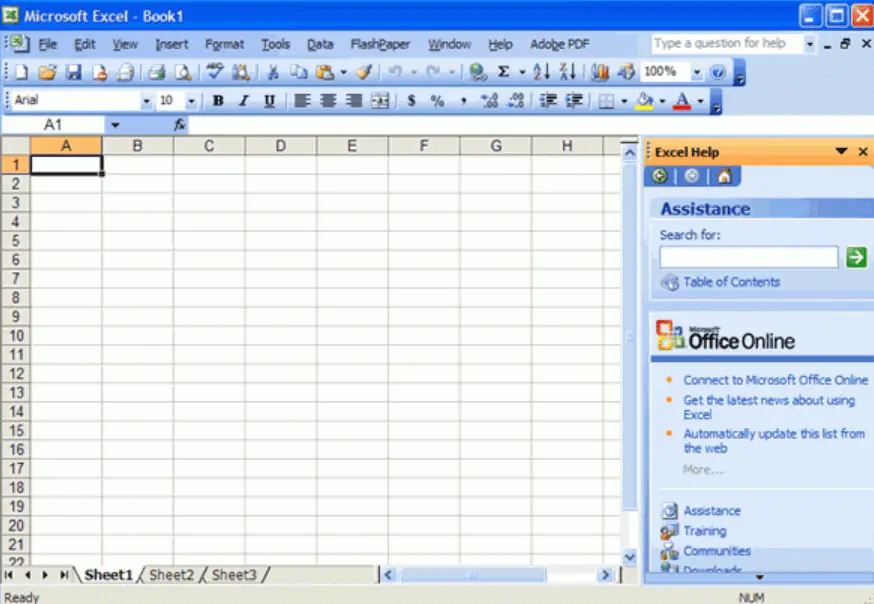
It's easy to remember where everything is with a toolbar and menu bar, which allows access to any option in one click and hold move.
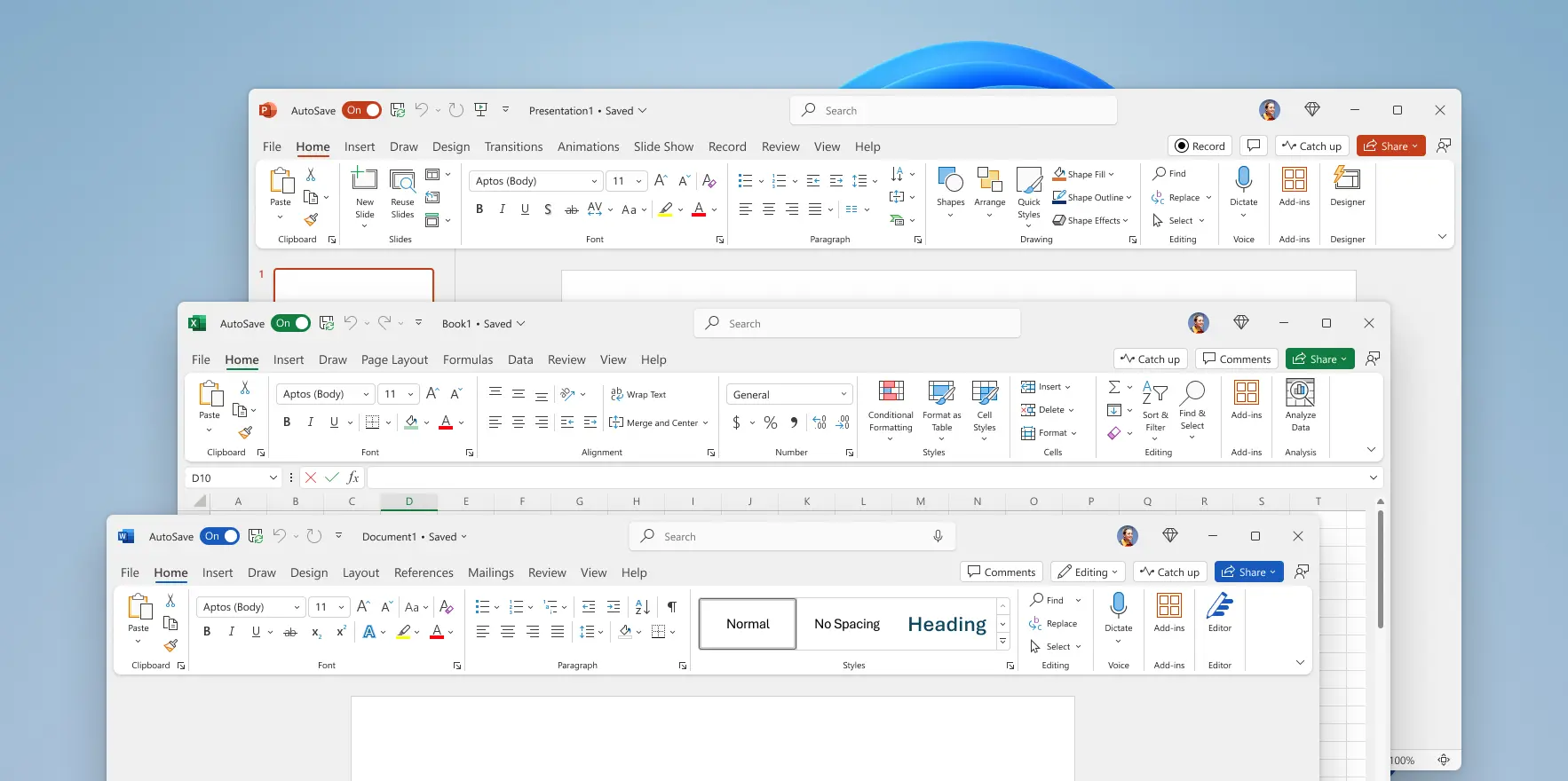
Seriously? Big ribbon and massive padding wasting space, as well as the ribbon being clunky to use.
Why did this happen?

I assume the extra padding was a function of touch screens becoming more prevalent since trying to hit the 2003 style buttons with a finger was not that easy, although I don't remember offhand when touch first started becoming a thing in Windows so it might have happened the other way around. But either way it's likely still a factor in why the ribbon with its extra padding has stuck around.
I think it’s a function of greater screen resolutions being available.
Tablet and phone touch devices also don’t have keyboard hotkeys like desktops do. In a desktop computer you can afford for the icon bar to be a tiny cramped piece of shit because it’s really more of an early crutch until you learn the hotkeys you need. That mechanic doesn’t exist on a phone or pad. You need the menus and buttons to actually be usable permanently.