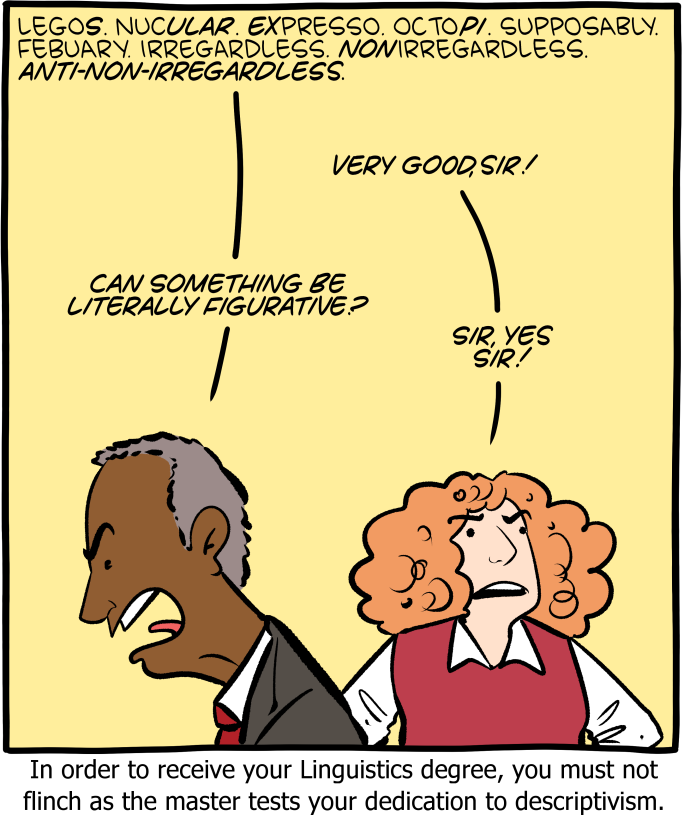
Octopi is correct, even under prescriptivism, as is -podes and -pusses. The people who argue otherwise are the same kind of people who say you can't end English sentences with prepositions, for the much the same reason, the self-assured ignorance of the would-be but fundamentally incorrect pedant.
I was curious, this is what etymonline says:
1758, genus name of a type of eight-armed cephalopod mollusks, from Latinized form of Greek oktōpous, literally "eight-foot," from oktō "eight" (see eight) + pous "foot," from PIE root *ped- "foot."
The more usual Greek word seems to have been polypous (also pōlyps), from polys "many" + pous, but Thompson ["Glossary of Greek Fishes," 1947] suggests this word is folk-etymologized and of non-Hellenic origin.
The modern English representation of the classically correct Greek plural (had the word been so used in ancient Athens) would be octopodes. The common plural octopi (1817) regards the -us in this word as the Latin noun ending that takes -i in plural. As with many modern scientific creature-names, it was coined in Modern Latin from Greek elements, so it might be allowed to partake of Latin grammar in forming the plural. But probably the best policy for common words is to follow the grammar of the living language using them, and octopuses goes best in plain English (unless one wishes also to sanction diplodoci for the dinosaurs).
Used figuratively since at least 1882 of powers having far-reaching influence (usually as considered harmful and destructive). To the ancients, the octopus was crafty and dangerous, thrifty (stores food in its nest), and proverbial of clever and adaptable men, based on the animal's instinct of changing color when frightened or for disguise.
It also was thought to be amphibious and to climb trees near shores to steal grapes and olives (the giant ones were said to raid whole warehouses). Thompson writes that "the eggs look remarkably like ripe olives; hence the story."
Have linguistics degree. Can confirm.
I unironically love descriptivism because it acknowledges languages in active use as not dead, and not static.
Most of y’all nerds know that “nice” and “mean” used to have very different definitions 😄
I knew about nice, but what did mean mean?
As an adjective: lowly, common, inferior.
You’ll have to scroll a bit but here should give a better explanation
this causes me physical pain
Fun fact: "nuclear" comes from the Latin nucula, 'little nut'. The c and l being adjacent in modern forms is due to metathesis, the same process that results in some people pronouncing "ask" as "ax".
Quick — what is the original plural of “syllabus”?!
syllapodes
Someone's got a case of the syllies
Sill-ap-po-dees
sittybōs is the plural of sittyba - "syllabus" has been a 600 year old misreading of a Greek word from a Roman library and it's time to set the record straight.
Syllabeese
Syllabub
syllabi
Syllatrain
Illigitimus non-irregardless carborundum
I lost. My eye was flinching.
Saturday Morning Breakfast Cereal
Posts and discussion about the webcomic Saturday Morning Breakfast Cereal by Hugo Award-winning author Zach Weinersmith (and related works)
https://www.patreon.com/ZachWeinersmith
@ZachWeinersmith@mastodon.social
New comics posted whenever they get posted on the site, and old comics posted every day until we catch up in a decade or so
Rules:
- Be nice
- Please don't comment about comics having ads for the author's other works. Blame capitalism.