69
you are viewing a single comment's thread
view the rest of the comments
view the rest of the comments
this post was submitted on 26 Jun 2026
69 points (100.0% liked)
Climate
8919 readers
497 users here now
Discussion of climate, how it is changing, activism around that, the politics, and the energy systems change we need in order to stabilize things.
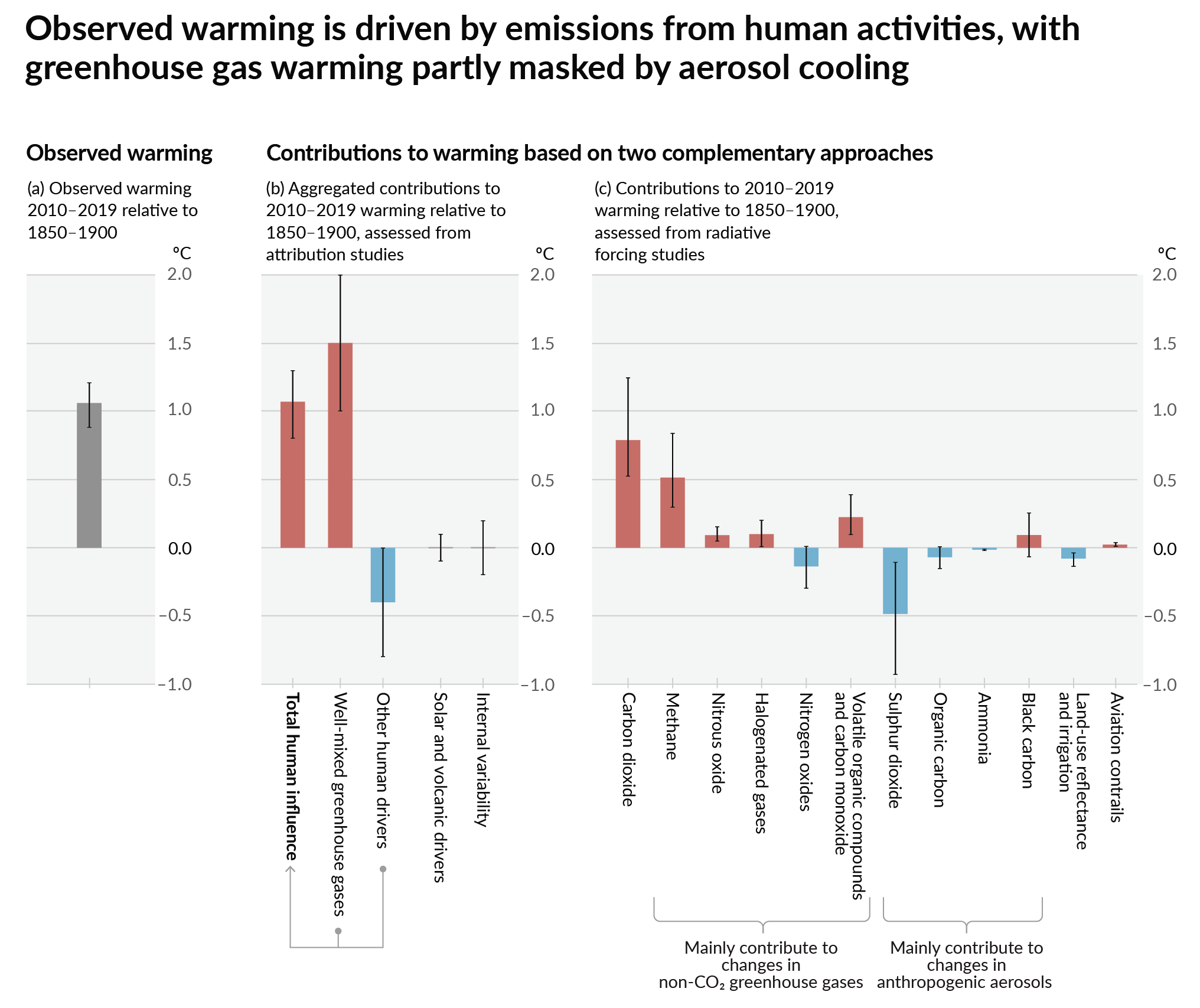
As a starting point, the burning of fossil fuels, and to a lesser extent deforestation and release of methane are responsible for the warming in recent decades:
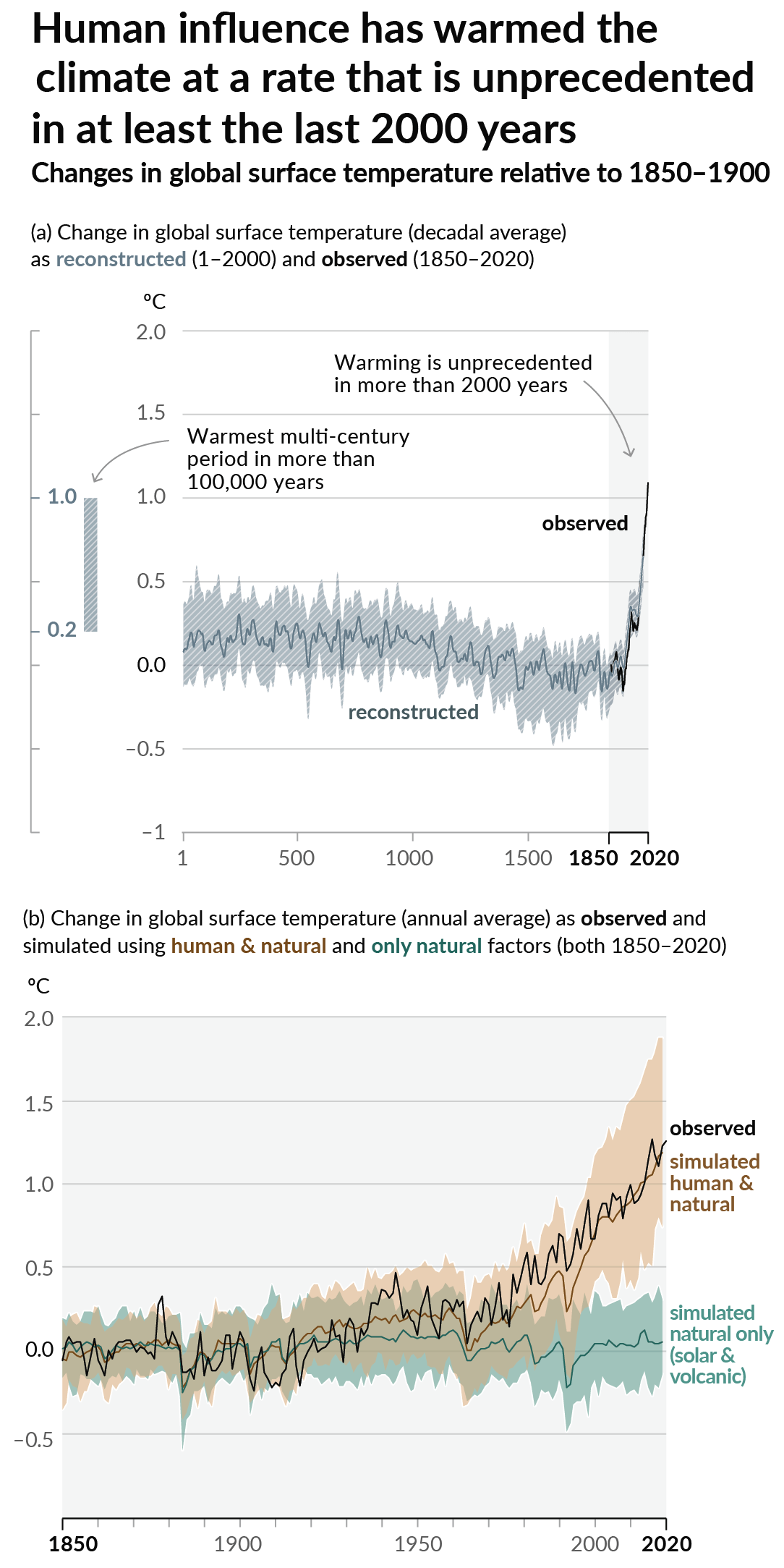
How much each change to the atmosphere has warmed the world:
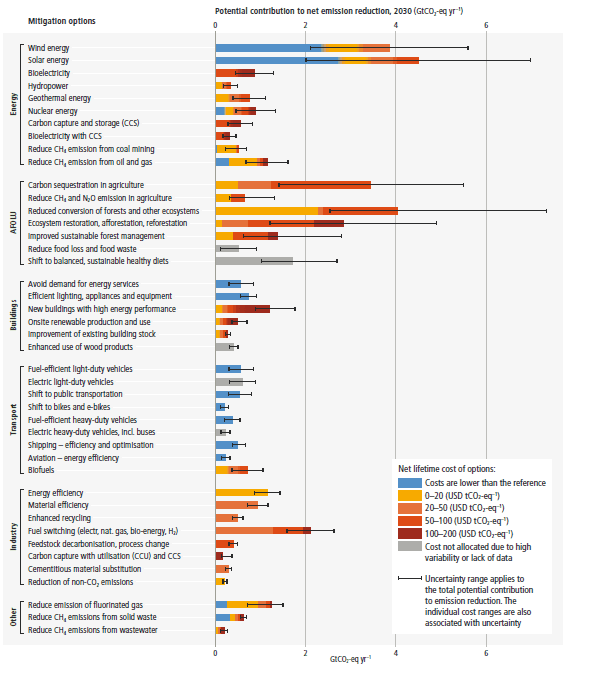
Recommended actions to cut greenhouse gas emissions in the near future:
Anti-science, inactivism, and unsupported conspiracy theories are not ok here.
founded 3 years ago
MODERATORS
Air conditioners remove heat in one place, at the expense of creating more heat somewhere else. And it's environmentally even worse if their energy source consumes fossil fuels.
Just need a thermal battery that lasts about 6 months. Store summer heat to use in winter.
What I'm hearing is a GIANT ICE CUBE!
Seasonal heat storage exists.
Basically a big water tank with very thick insulation which can store heat for six months. This is economical for multi-family units, becauses the relative amount of necessary insulation decreases with size (for a cube with 27 cubic meters volume, you need 54 square meters of insulation, for a cube with a volume of 125 cubic meters, 150 square meters).
What can store a hot medium can obviously also store a cold medium.
It is also much cheaper to store heat, than to store electricity.
Here is a description (in German) of applying the concept to a single-family home.
That would be freaking awesome if possible. Solar doesn't work in the winter in my country so we use fossil fuels and wind to power our heat pumps. Neither of which is particularly reliable.
That's how geothermal heat pumps work. It is possible to have geothermal heat pumps that only extract heat, but then you need much deeper wells.
Last place I lived replaced our oil furnaces with geothermal heat pumps back when oil furnaces were banned back in 2020, but the in-apartment bit was old radiators, which aren't suitable for absorbing heat, so we had to get some energy wells that were a few hundred meters deep.
… and still swelter in summer :|
I've been looking into it, but the wells alone will cost me ~10-20k EUR to have someone come and do them. 7k for the pump, minimum 2k for the pump to be fitted and probably a bunch of work on the current central heating system which is old and fully reliant on gravity, no circulation pump or anything. Probably 30k all in and get 7k rebate from government if lucky, but I have to apply for that ahead of time and I don't even have the 30k yet to start planning lol.
They do geothermal heat pumps with horizontal collectors too, but my yard isn't big enough compared to the house. Soviet era stuff, you got allocated a tiny plot and you were happy about it because at least you got to build a house. Grandparents decided to build a fairly big house on this particular small plot. And the horizontal version wouldn't really store any heat for the winter.
Not really the same thing, they are heat pumps rather than thermal batteries. Still cool stuff though. They don't have to be deep to only supply heat either, but they do need to be deep if you want to skip the heat pump part of it.
Wind/battery with gas backup still allows you to burn much less gas than if you just used gas as a primary power source. Battery doesn't have to be chemical batteries either if pumped hydro is an option.
Pumped hydro is not an option, pretty flat country plus it would just freeze in the winter when it's needed the most.
Wind/battery is interesting, but we can't afford it at a large enough scale unfortunately. Not sure we have enough coastline either, but I haven't done the math on that.
Norway gets a lot of power from hydro, gets pretty cold in Norway too.
Battery is cheaper than gas at this point and gas is likely to cost more in future.
Do your lakes not freeze in Norway?
Anyway, regular hydro works because it's rivers, which don't freeze as easily. We have that here, but it's not storage, it's production, and we've already dammed what we can. To build pumped hydro, we'd first have to build the "mountains", you guys already have them naturally.
The batteries also need to come with offshore wind production or something similar. Otherwise we're just storing energy from burning shale. We don't really do gas on any real scale, it's too expensive when we already have the shale, which of course makes even coal look clean.
Not really, they produce heat from the electricity they consume. Everything else is just them moving heat from inside to outside, but that's net zero, since even an airtight house will have heat radiate in.
The electricity requires a thermal machine, thermal machines are not 100% efficient, so part of it is wasted as radiated heat. That's just thermodynamics.
Now, claiming we shouldn't have AC because their work derives from heat also applies to literally anything that does work, including freezers, so it is not a valid argument at all.
The solution is to rely on solar, as the heat source is external to the planet
You can say the same about refrigerators