87
Which of your climate actions make the biggest difference? Here’s how to find out
(theconversation.com)
Discussion of climate, how it is changing, activism around that, the politics, and the energy systems change we need in order to stabilize things.
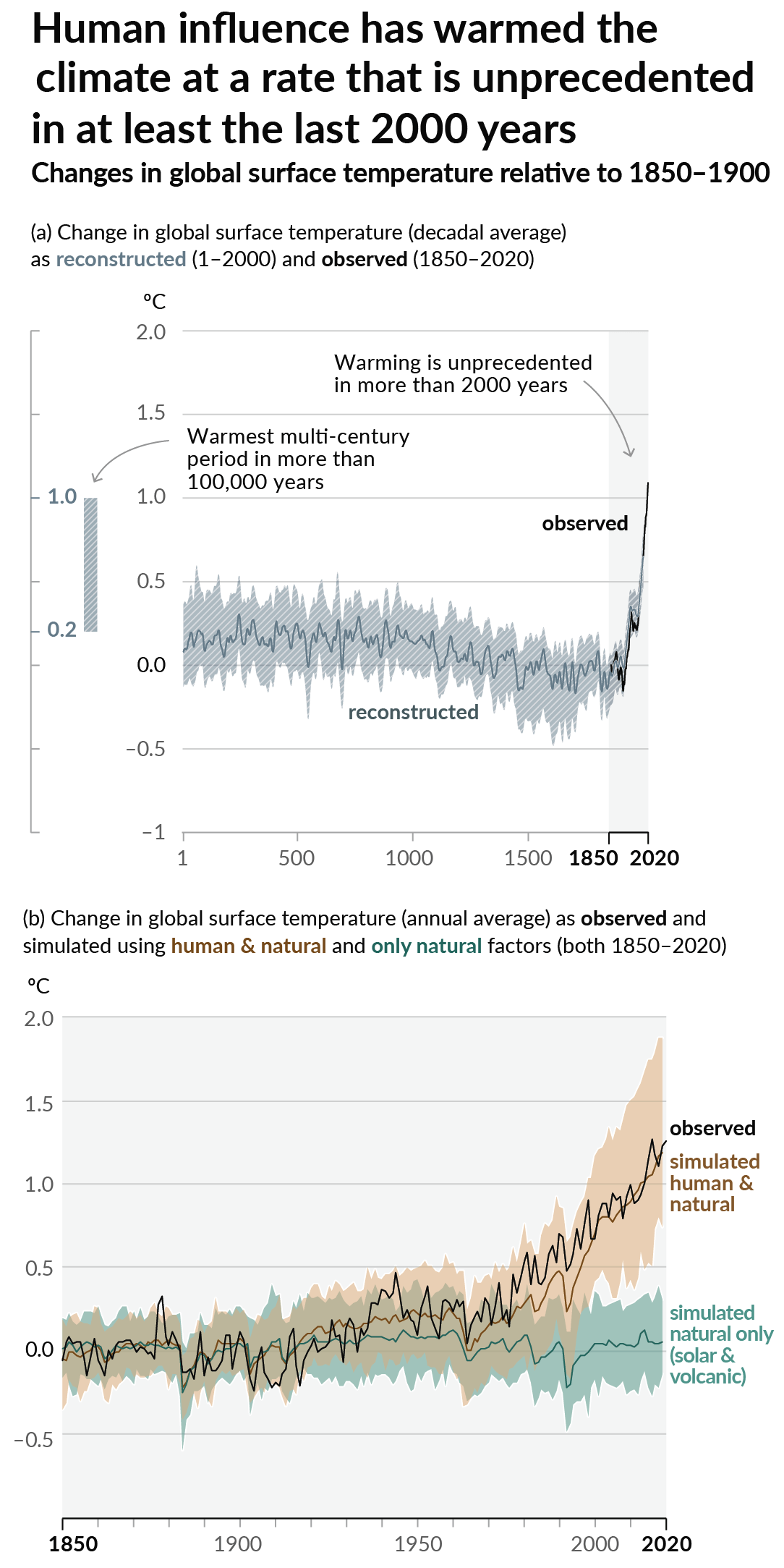
As a starting point, the burning of fossil fuels, and to a lesser extent deforestation and release of methane are responsible for the warming in recent decades:
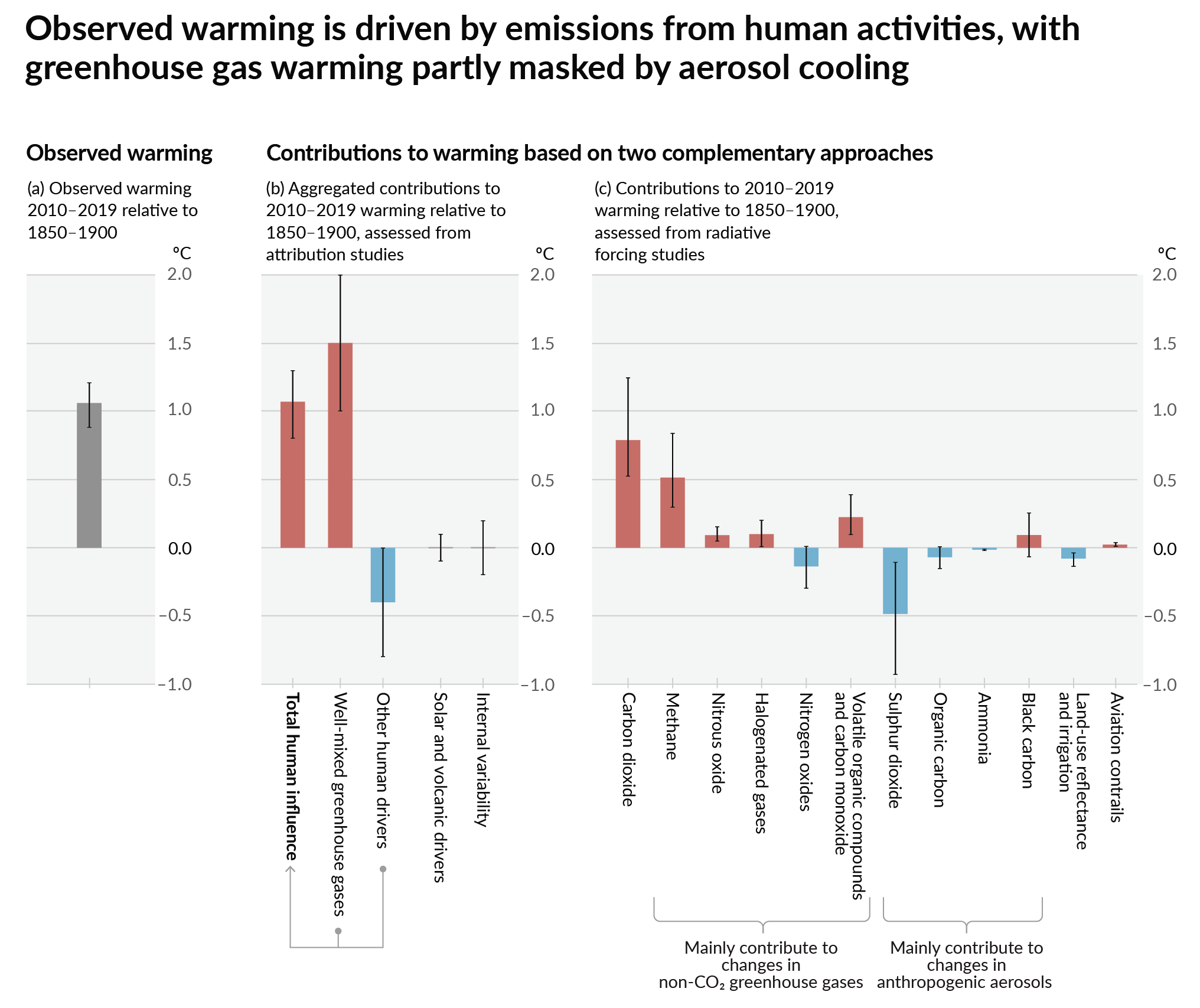
How much each change to the atmosphere has warmed the world:
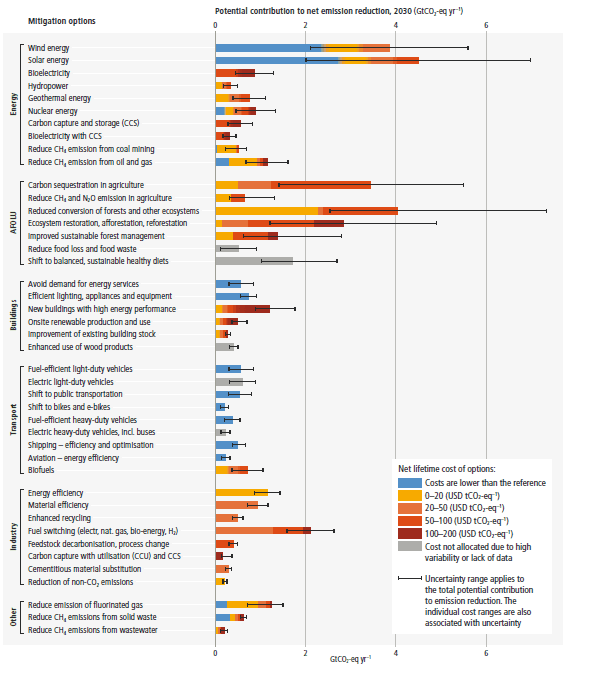
Recommended actions to cut greenhouse gas emissions in the near future:
Anti-science, inactivism, and unsupported conspiracy theories are not ok here.
The reason breeding is bad for the environment, is because of the impact the average person has on climate. If we lived sustainable lives, breeding would not have that much of an impact.
If you try to live a sustainable life to the best of your abilities, and you instill that same mindset and way of living onto your kids, it's perfectly fine to have kids.
But if you're going to drive giant trucks powered by oil, eat red meat every day with a glass of milk, use and abuse plastic for everything, and be a massive consumerist, then sure; having kids is terrible for the environment because they will probably also do all of that.
You cannot have a human that has zero environmental footprint. The world population has exploded over the last 100 years. There is no point in lowering your ecological footprint if we’re outbreeding any progress in a few year time.
You misunderstand the scale of the difference. You can do everything in your power to lower your ecological footprint, recycle at your optimum, don’t eat meat, get rid of your car and only use a bike and public transport, etc. etc. If you have 2 kids and teach them to do the same your ecological footprint will still be many times higher than someone who eats steak every day and drives 3 hummers to work while rolling coal and throwing styrofoam pellets out the window. It’s that big of a difference.
A few numbers to illustrate, the savings in tonnes of co2 equivalent per year.
It’s not just your kids, it’s also your kid’s kids, and your kid’s kid’s kids’s. etc.